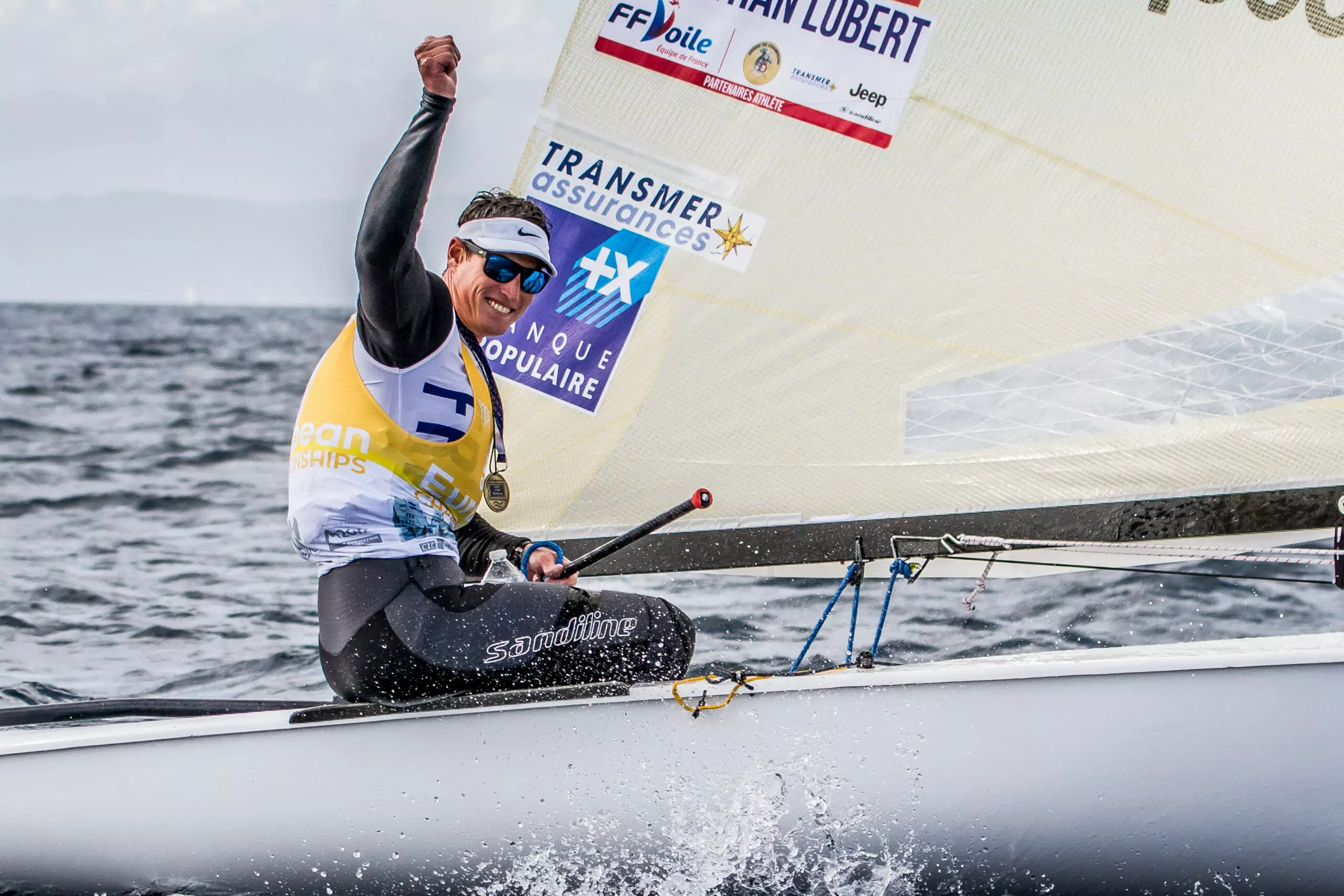

In an Olympic campaign, preparation does not rely solely on the athlete and their staff.
It also depends on a decisive factor: training partners - sailors who share the same goals… while sometimes being your most dangerous rivals.
They represent essential support, a powerful source of progress, but also constant pressure.
Here is a behind-the-scenes look at this unique relationship—sometimes complex, always strategic.
1. A Key Specificity: Only One Athlete Goes to the Olympic Games
In Olympic sailing, each nation sends only one athlete per category to the Games.
This rule changes everything.
Within the same national training group:
-
-
-
we train together
-
we push each other
-
we share data and insights
-
but we also fight for a single Olympic spot
-
-
We spend more than 200 days a year together—both partners and direct competitors for Olympic qualification.
This duality requires a clear framework from the very start of preparation, followed by regular adjustments to maintain a healthy and high-performing environment.
2. Two Types of Training: Solo & Group
Preparation alternates between two very different modes—each one essential.
Solo Training: Deep Individual Progress
These sessions allow you to:
-
-
-
work on your technique without distraction
-
focus your energy on your weaknesses
-
explore new tactical options
-
develop creativity
-
progress at your own pace
-
-
This is precious time for introspection, precision, and individual growth.
Group Training: Confront, Measure, Learn
These sessions replicate real competition. They make it possible to:
-
-
-
measure your level against others
-
identify your areas for improvement
-
test strategies and equipment settings
-
understand the specific characteristics of the racecourse
-
sharpen decision-making in real situations
-
-
Group training creates a stimulating, demanding, and highly formative environment.
These are often the moments when progress happens the fastest.
3. Collaborating to Perform
Sailing is a sport where equipment matters as much as the athlete.
Working together makes it possible to:
-
-
-
test different configurations
-
compare settings
-
understand the impact of each adjustment
-
enrich your own sensations through the feedback of other sailors
-
-
Each partner brings:
-
-
-
sensitivity
-
expertise
-
ideas
-
experience
-
-
This sharing creates a collective intelligence that is indispensable for refining preparation.
4. International Training Groups: An Incomparable Asset
At the highest level, the best sailors train together—even when they come from different nations.
These groups form through:
-
-
-
human affinity
-
shared objectives
-
a common vision
-
similar competition schedules
-
-
During my career, I worked with:
-
-
-
Swedes and Finns to optimize my equipment
-
British sailors—among the very best in the Finn class—to raise my level of confrontation
-
-
These collaborations make it possible to:
-
-
-
train against excellence
-
stay motivated
-
deepen knowledge
-
push personal limits
-
-
The shared objective is clear: to progress and perform at the highest level.
Conclusion: A Subtle Balance Between Cooperation and Competition
Training partners are key players in Olympic preparation.
They are, in turn:
-
-
-
mirrors
-
rivals
-
supporters
-
drivers of progress
-
-
This relationship requires honesty, structure, communication, and respect—but it is one of the most powerful levers for raising one’s level and remaining competitive at the highest standard.
Would you like to help your teams collaborate more effectively in a competitive environment?
Discover my keynote talks, immersive workshops, or my executive coaching programs.
👉 Contact me to learn more!
Related Articles

The Coach’s Central Role in Olympic Preparation and Performance

Decision-Making Under Pressure: Lessons from Elite Sport for Business Leaders